Personalized Railings and Stairs: Bring Style and Functionality to Your Deck
Custom railings and stairs play an essential role in elevating the beauty and usability of a deck. By selecting unique designs and materials, homeowners can build an appealing outdoor environment that expresses their unique preferences. Safety and durability are also important considerations. Exploring various styles and materials can reveal options that strike the right balance. What factors should one consider when starting this design journey?
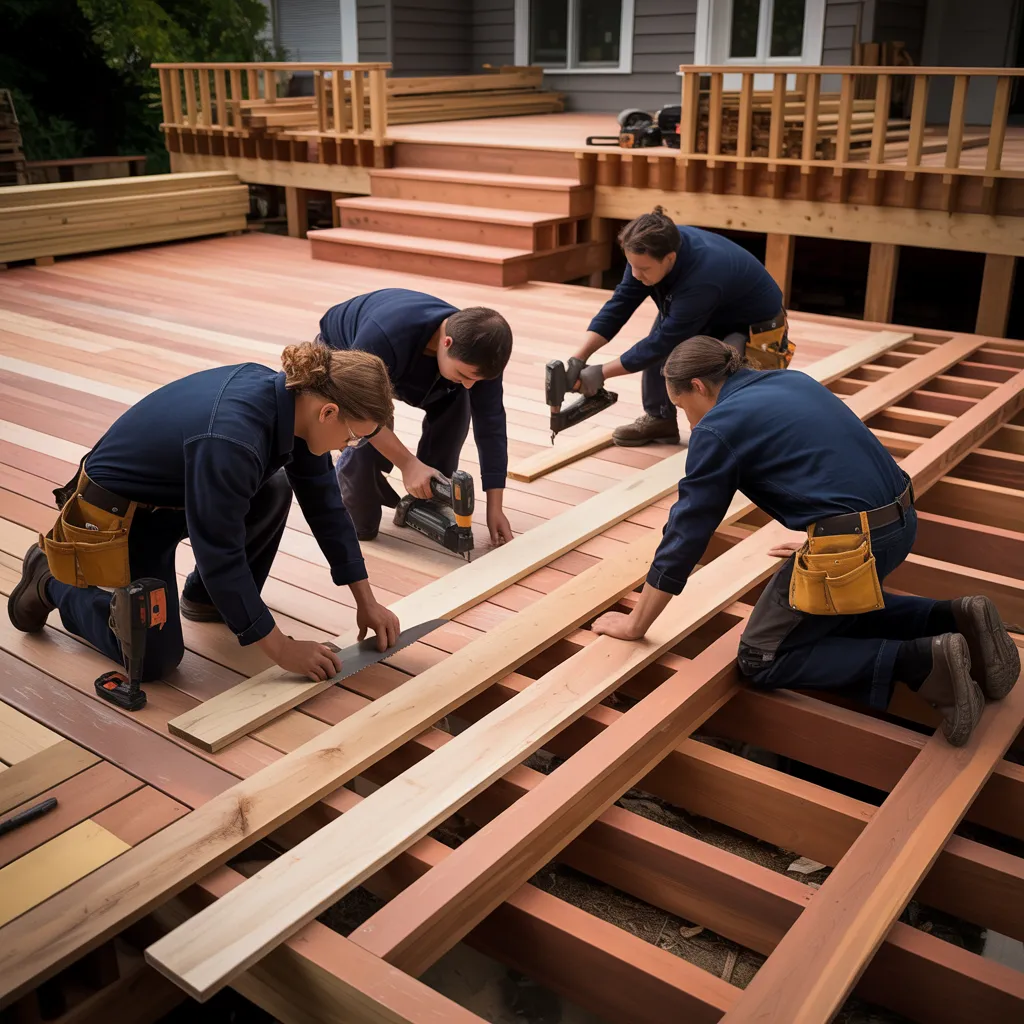
The Advantages of Custom Railings and Stairs
Bespoke railings and stairs improve both form and function in every space. They provide a distinctive chance to enhance the visual appeal, turning standard areas into remarkable focal points. By integrating custom designs, homeowners can effortlessly coordinate these features with their overall decor, reflecting individual tastes and style preferences.
Beyond aesthetics, custom railings and stairs offer considerable safety advantages. Custom designs can ensure compliance with local building codes while decreasing the potential for accidents. The use of resilient materials additionally improves durability, minimizing the necessity for regular repairs or replacements.
Furthermore, bespoke designs support improved space optimization, particularly in difficult configurations. By means of inventive solutions, homeowners can maximize functionality and ease of use. Ultimately, selecting tailored railing and stair solutions offers a blend of beauty and usability, rendering them an essential enhancement for any home or business environment.
Trending Types of Personalized Railings and Stairs to Explore
Style selections for railings and stairs can significantly impact the general atmosphere of a given area. Among the most favored options is the classic wooden railing, which offers warmth and a timeless appeal. Contemporary metal railings, often showcasing clean lines and minimalist aesthetics, deliver a modern feel while maintaining durability. For those desiring a countryside feel, forged iron railings can introduce elaborate details and charm. Clear glass railings are growing in popularity for their capacity to deliver an open and spacious atmosphere, allowing unobstructed views. Additionally, wire cable railings merge utility with visual appeal, making them suitable for coastal or modern settings. Stairs can also reflect personal taste; selections extend from conventional straight stairs to dramatic spiral layouts, satisfying diverse visual preferences. Each option not only improves visual appeal but also fulfills an important role in safety and ease of access, making deliberate decisions critical for every deck installation.
How to Pick the Ideal Materials for Your Custom Railings and Stairs
Selecting the right materials for custom railings and stairs demands thorough evaluation of both longevity and visual appeal. The selection of materials can significantly impact the lifespan of the structure while also affecting the overall design of the space. Assessing these elements secures a harmony between practicality and aesthetic appeal.
Material Longevity Factors
Durability serves as an essential consideration when deciding on materials for railings and stairs, influencing both safety and longevity. Property owners commonly weigh options including wood, metal, and composite materials. Wood, despite its attractive appearance, typically needs routine maintenance to address rot and insect issues. Metal options, like aluminum and stainless steel, deliver strength and resilience against severe weather, suiting them to diverse climatic conditions. Composite materials combine long-lasting performance with minimal upkeep, preventing fading and warping over the years. When selecting materials, one must also consider the environmental impact and availability. In the end, opting for durable materials not only improves the safety of railings and stairs but also ensures they endure over time, delivering lasting value and dependability.
Design Aesthetic Options
Aesthetic appeal plays a significant role in selecting materials for personalized railings and stair designs, enhancing the home's overall aesthetic. Homeowners regularly explore different material options, such as wood, metal, and composite, each presenting distinctive aesthetic features. To achieve a timeless appearance, natural wood offers a warm and textured finish, whereas metals such as wrought iron or aluminum introduce a contemporary, polished feel. Composite options deliver a wide range of colors and finishes, enabling personalization that complements various architectural designs. Additionally, homeowners should consider the surrounding landscape and home exterior to ensure visual cohesion. Color schemes, textures, and finishes should align with the overall aesthetic, establishing a harmonious visual identity that improves the outdoor space while meeting functional requirements.
What Are the Best Ways to Incorporate Safety Features Into Your Design?
Guaranteeing safe elements in personalized railings and stairways entails complying with regulatory compliance requirements, choosing proper building materials, and including efficient design elements. Every element holds a vital position in establishing a safe environment for individuals. A thorough understanding of these factors is vital for any successful design.
Code Compliance Guidelines
When designing custom railings and stairs, following code compliance requirements is essential for ensuring safety. Building codes specify important dimensions, like the height and placement of railings, ensuring they can effectively prevent falls. Moreover, local regulations may dictate the materials used, influencing durability and safety under various weather conditions. It is important to seek guidance from local building authorities or a licensed professional to confirm that designs comply with all relevant codes. Consistent assessments during the building process additionally strengthen safety by uncovering potential problems at an early stage. By emphasizing regulatory compliance, property owners can develop practical and visually appealing railings consult article and staircases that deliver confidence and lasting protection for all individuals.
Material Selection Considerations
Picking the right materials for personalized railings and staircases is essential for enhancing protective elements within the structural design. Durable materials such as aluminum, stainless steel, and treated wood deliver strength and resistance to environmental wear. Even though appearance is a priority, the physical integrity of the material must also be prioritized to minimize the risk of accidents. Non-slip surfaces are essential to provide reliable traction, particularly in wet conditions. Furthermore, materials should comply with local building codes and safety regulations, which commonly define required load thresholds. Accounting for the maintenance demands of each material is important, as easily damaged materials can compromise safety over time. In the end, a balanced approach to material selection promotes both visual appeal and functional safety in stair and railing designs.
Safety Design Features
Proper safety design elements are critical in custom railings and stairs, as they significantly affect user protection and overall functionality. To achieve safety, designers should comply with local building codes, which establish minimum height and structural requirements. Incorporating non-slip materials is crucial, especially in areas prone to moisture. Additionally, railings should include a height that minimizes falling hazards while enabling a comfortable hold for users. Awareness of spacing between balusters is necessary to minimize falling risks, particularly for children. Sight lines represent another important factor; contrasting colors can help improve awareness of edges and steps. Finally, regular maintenance checks are required to ensure that all components remain secure and functional, preserving user safety and improving the longevity of the design.
Vital Maintenance Guidelines for the Longevity of Your Custom Railings and Stairs
Preserving your custom railings and stairways is vital for guaranteeing their durability and visual appeal. Routine examinations play a significant role in identifying any signs of wear, such as corrosion, unsecured hardware, or cracked wood. Cleaning is equally important; applying a mild soap mixture with a soft-bristled brush can aid in clearing debris and stopping buildup that might result in long-term damage. For wooden railings and stairways, applying a protective sealant every few years can protect against water infiltration and sun exposure, preserving both color and integrity.
Steel railings should be checked for deterioration, most notably in waterfront regions where saltwater can speed up degradation. Recoating or restoring metal surfaces can enhance durability and appearance. Furthermore, confirming that drainage systems work correctly will stop water from pooling, which can result in serious structural problems. Through adopting these upkeep strategies, homeowners can enjoy their custom railings and stairs for years to come.
Planning Your Budget for Custom Outdoor Upgrades
Having secured the lasting quality of custom railings and stairs through consistent maintenance practices, homeowners often turn their attention to planning budgets for exterior improvements. Establishing a clear budget is essential to eliminate unnecessary expenditures and to confirm that the preferred improvements correspond to available finances. Homeowners would benefit from evaluating the pricing for materials, labor, and any additional features, like lighting or decorative elements.
It is recommended to compile an ordered list of planned enhancements, separating essential needs from optional additions. This helps in making informed decisions when funds are limited. Additionally, homeowners are encouraged to allocate an emergency fund for unanticipated expenditures that could surface during the undertaking.
Investigating different vendors and assessing pricing can also yield cost-effective solutions. By approaching budgeting systematically, homeowners can realize their goals for personalized outdoor areas while preserving fiscal balance.
How to Locate the Ideal Contractor for Your Outdoor Project
How do homeowners make certain they pick the right contractor for their outdoor project? Initially, they should carry out detailed research, beginning with online reviews and community recommendations. This makes it easier to find contractors with an established reputation in custom railings and stairs. Additionally, homeowners should check credentials, such as licenses and insurance, to ensure the contractor satisfies industry requirements.
It is equally important to obtain comprehensive quotes from several contractors, weighing expenses and completion schedules. Having face-to-face discussions helps homeowners assess communication approaches and professional conduct. Additionally, reviewing past work portfolios can offer valuable information about a contractor's expertise and creative abilities.
Lastly asking for client references can help assess reliability and quality. By following these steps, homeowners can successfully identify a contractor who aligns with their vision and assures a successful outdoor project.

Answers to Your Questions
How Long Does It Take to Install Custom Railings and Stairs?
Setup of personalized railings and staircases usually spans between one and three days, based on the complexity of the design, the type of materials selected, and the skill level of the installation team involved in the project.
Am I Able to Customize the Color of My Railings and Stairs?
Absolutely, railing and stair color customization options are commonly available. Property owners can pick from a wide range of shades to complement their aesthetic preferences, ensuring a cohesive look for their outdoor spaces.
Do Custom Railings and Stairs Hold Up Against the Weather?
Custom railings and stairs are engineered to be weather-resistant, making use of materials such as composite wood and aluminum. These material choices enhance durability, guaranteeing they can endure a wide range of environmental conditions while maintaining their functionality and aesthetic appeal.
How Much Do Custom Railings and Stairs Typically Cost?
The average cost of custom railings and stairs generally falls between $1,000 to $4,000, influenced by installation requirements, materials, and design complexity. Homeowners should budget accordingly for materials as well as labor costs when preparing for their projects.
Do You Need a Permit to Install Custom Railings?
Custom railing projects often require a permit for installation, according to local building codes and regulations. Homeowners are advised to consult their local authorities to ensure compliance and prevent safety issues or potential fines.